


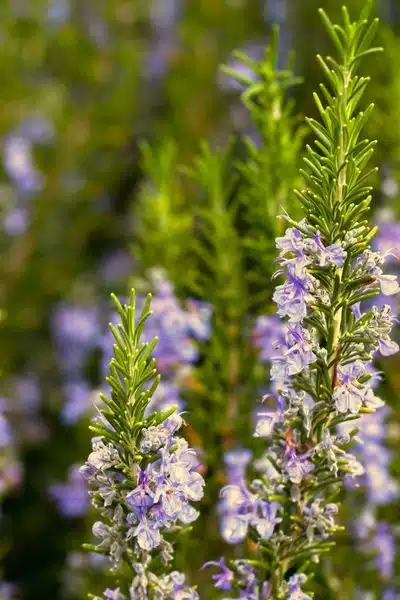
Rosemary (Salvia rosmarinus) is an indispensable herb in Mediterranean cuisine and impresses with its intense aroma and versatility. In addition to its culinary importance, rosemary enriches any garden or balcony with its evergreen leaves and delicate flowers. Below we explain in detail how you can successfully grow, care for and harvest rosemary.
Take advantage of Mallorca’s location
With its Mediterranean climate, Mallorca offers ideal conditions for growing herbs such as rosemary. The island is known for its picturesque landscapes, historic towns and high quality of life. By working with local experts such as MF Fincaservice, you can ensure that your property meets the highest standards and that you get the most out of your stay on the island.
Botanical classification and origin
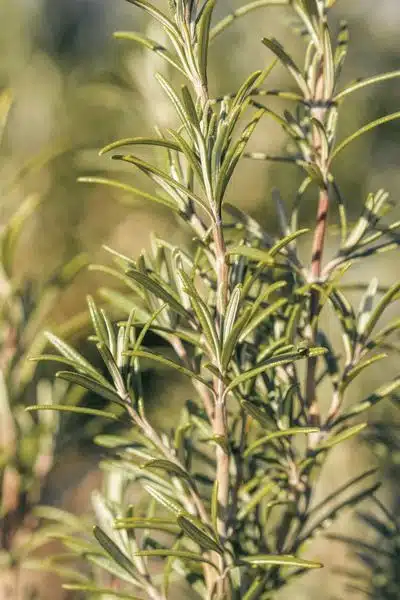
Originally native to the Mediterranean region, rosemary belongs to the labiate family (Lamiaceae). Its botanical name was changed from Rosmarinus officinalis to Salvia rosmarinus in 2020, emphasizing its close relationship with sage. In its natural habitat, rosemary thrives on barren, stony soils along sunny coastal regions.
Optimal choice of location
For healthy growth, rosemary needs a full sun, warm and sheltered location. Ideally, they should be south-facing and receive several hours of sunlight a day. The soil should be dry, well-drained and calcareous; sandy or stony substrates are particularly suitable. Waterlogging should be avoided at all costs as it can damage the roots.
Cultivation and propagation
Sowing
Rosemary is usually sown between January and June in pre-cultivation. As rosemary is a light germinator, the seeds are simply pressed onto the soil and not covered. At temperatures between 16 and 24 °C, germination takes around 15 to 35 days. Due to the irregular and slow germination, many gardeners opt for alternative propagation methods.
Cuttings propagation
One tried and tested method is propagation by cuttings.
-
Cut off 5 to 10 cm long, semi-woody shoot tips in spring.
-
Remove the lower leaves and place the cuttings in pots with herb soil or a mixture of soil and sand.
-
Keep the substrate evenly moist and place the pots in a warm, bright location.
-
After a few weeks, the cuttings will have formed roots and can be transplanted into the open ground or larger containers.
Planting in the garden and in pots
In the garden
After the last frosts, place the young plants in the bed about 30 to 40 cm apart. An arrangement in a herb spiral is also advantageous, whereby rosemary prefers the upper, sunniest area. Make sure the soil is well-drained to prevent waterlogging.
In the pot
For cultivation in pots, choose a container with a drainage hole and a height of at least 30 cm. A drainage layer of gravel or clay shards at the bottom of the pot improves water drainage. Use a lean substrate enriched with sand or clay granules to increase permeability. Potted rosemary should be watered regularly but moderately; waterlogging should be avoided.
Care instructions
Rosemary is easy to care for and requires little attention.
-
Pouring: Water regularly in the first few months of growth without soaking the soil. Older plants are drought-resistant and only need water during longer periods of drought.
-
Fertilize: Fertilization is not usually necessary. For potted plants, a weak herb fertilizer can be applied occasionally during the growing season.
-
Cut: Annual pruning in spring promotes bushy growth and prevents the shoots from becoming woody. Cut the shoots back by about a third, but not into the old wood.
Wintering
Rosemary can overwinter outdoors in mild regions. In colder areas, it is advisable to protect the plants with brushwood or fleece. Potted plants should be moved to a frost-free, bright place. During the winter months, the water requirement is low; water only enough to prevent the root ball from drying out completely.
Harvesting and storage
Rosemary can be harvested all year round. To do this, cut off young shoot tips or whole twigs. To dry, bundle the twigs and hang them up in a warm, airy place. Dried rosemary retains its aroma and is ideal for storing.
Use in the kitchen and medicine cabinet
In the kitchen, rosemary adds a spicy note to meat, fish and vegetable dishes. It is particularly popular in combination with baked potatoes or Mediterranean stews. Rosemary is also said to have an invigorating effect due to its essential oils; a tea made from the leaves can help with digestive problems.
Professional finca service in Mallorca
The care and maintenance of a finca in Mallorca requires time, expertise and local experience. This is where MF Fincaservice offers comprehensive services to ensure that your property is always in the best condition. The company, based in Felanitx in the southeast of the island, is characterized by an exclusive service that is individually tailored to the needs of its customers. The multilingual team accompanies you from the initial consultation to the planning and implementation of construction and renovation projects.


