


Mallorcan architecture: a journey through history and styles
Mallorca, the largest of the Balearic Islands, is characterized by an impressive architectural diversity that reflects the island’s rich and varied history. From prehistoric buildings to modernist masterpieces, Mallorca offers a multifaceted panorama of architectural styles that can be found in the vibrant cities as well as in the idyllic villages and rural areas.
Prehistoric roots: the Talayotic culture
The earliest architectural evidence of Mallorca dates back to the Talayotic culture (approx. 1300-800 BC). Characteristic of this era are the so-called talayots – massive tower buildings made of unhewn stone, which probably served as watchtowers or meeting places. These prehistoric monuments are scattered all over the island and bear witness to the early settlement structures and social organization of the population at the time.
Roman influence: functionality and aesthetics
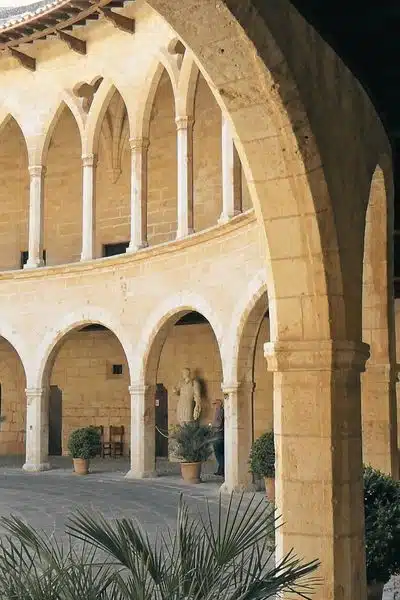
Roman architecture arrived on the island with the conquest of Mallorca by the Romans in 123 BC. Towns such as Pollentia (today Alcúdia) were founded and buildings with characteristic elements such as round arches, columns and symmetrical floor plans were built. Roman architecture placed great emphasis on functionality and aesthetics, which is reflected in the remains of theaters, temples and residential buildings.
Moorish architecture: influences from the Orient
Moorish rule from 902 to 1229 left clear traces in Mallorcan architecture. Characteristic of this period are elements such as horseshoe arches, patios, decorative tiles and lush gardens. These architectural features fulfilled not only aesthetic but also practical functions by providing shade, improving ventilation and creating social meeting places.
Gothic and Renaissance: magnificent sacred buildings
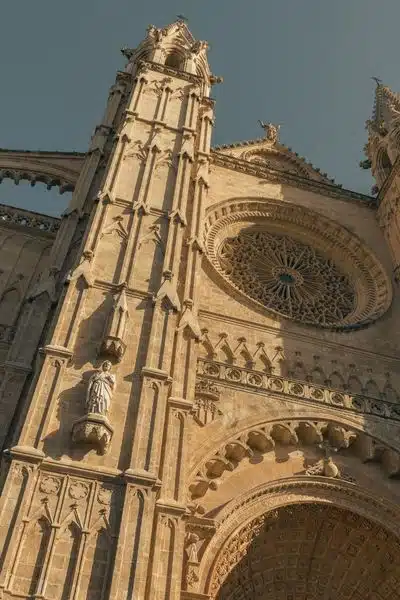
After the reconquest by the Christians in the 13th century, Mallorca experienced a heyday of Gothic architecture. An outstanding example is the cathedral of Palma, known as “La Seu”. Construction began in 1229 and lasted several centuries, with various architects involved, resulting in an interesting combination of Gothic, Renaissance and Baroque style elements.
Baroque and Classicism: ornamentation and symmetry
In the 17th and 18th centuries, Baroque and Neoclassical styles found their way onto Mallorca. Magnificent manor houses and town palaces were built, often with elaborate façades, symmetrical layouts and richly decorated interiors. These buildings bear witness to the wealth of the upper classes of the time and still characterize the townscape of many places today.
Modernisme: Art Nouveau in Majorcan
At the beginning of the 20th century, Catalan Modernisme, comparable to Art Nouveau, reached Mallorca. Inspired by Antoni Gaudí and his contemporaries, artfully designed buildings with curved lines, floral motifs and innovative materials were built in Palma and other cities. One example of this is the Gran Hotel in Palma, which today serves as a cultural center.
Traditional fincas: a rural idyll
Away from the urban centers, traditional fincas characterize the rural image of Mallorca. Built from natural stone, these country houses blend harmoniously into the Mediterranean landscape. They are characterized by thick stone walls, which have a cooling effect in summer and a warming effect in winter, as well as red-tiled roofs and windows with wooden shutters, which provide protection from the sun and privacy.
Characteristic elements of Mallorcan architecture
A striking feature of Mallorcan architecture is the balcony supported by stone arches, which dates back to Roman influences and gives the façades a characteristic appearance. Inner courtyards, which serve as central living spaces and bring light and air into the buildings, are also typical.
Conclusion
Mallorca’s architecture is a living testimony to the diverse cultural influences that have shaped the island over the centuries. From prehistoric talayots to Roman buildings, Moorish palaces, Gothic cathedrals, modernist buildings and traditional fincas – the architectural landscape of Mallorca invites you on a fascinating journey through history.


